
Doing it once is a fixture order. Doing it in ninety stores is a programme.
At scale the fixture stops being the hard part. Consistency across phases, freight, site-by-site variation and getting the first store right before you commit the chain — that is where a rollout is won or lost.
What actually goes wrong
Four failure modes, and what we do about each.
Phase two does not match phase one
The usual cause is a subcontracted finish, re-quoted six months later against a different batch. Megawall powder coats in its own plant, so later phases are matched against the same in-house process — and if exact cross-phase consistency is critical, we plan the production runs for it at quoting stage.
Freight eats the budget
Assembled fixtures ship air. Megawall fixtures ship knocked down as standard, which is a deliberate decision about what a multi-site programme costs to move, not a convenience for our packers.
Every store is slightly different
Bulkheads, column positions and ceiling heights vary. Custom lengths, widths and heights are routine here, so a programme can carry one standard specification plus site-specific variants without spawning a second project.
The concept was never tested
Committing a chain to an untested merchandising change is an expensive way to learn. Build one store first, measure it, then scale — particularly on retrofits, where the effect on sales per linear foot is measurable within a trading period.
Two routes
Remodel the fixtures, or retrofit what is already there.
| Attribute | New fixture programme | Retrofit programme |
|---|---|---|
| Best when | Layout is changing or fixtures are failing | Fixtures are sound, the surface is the constraint |
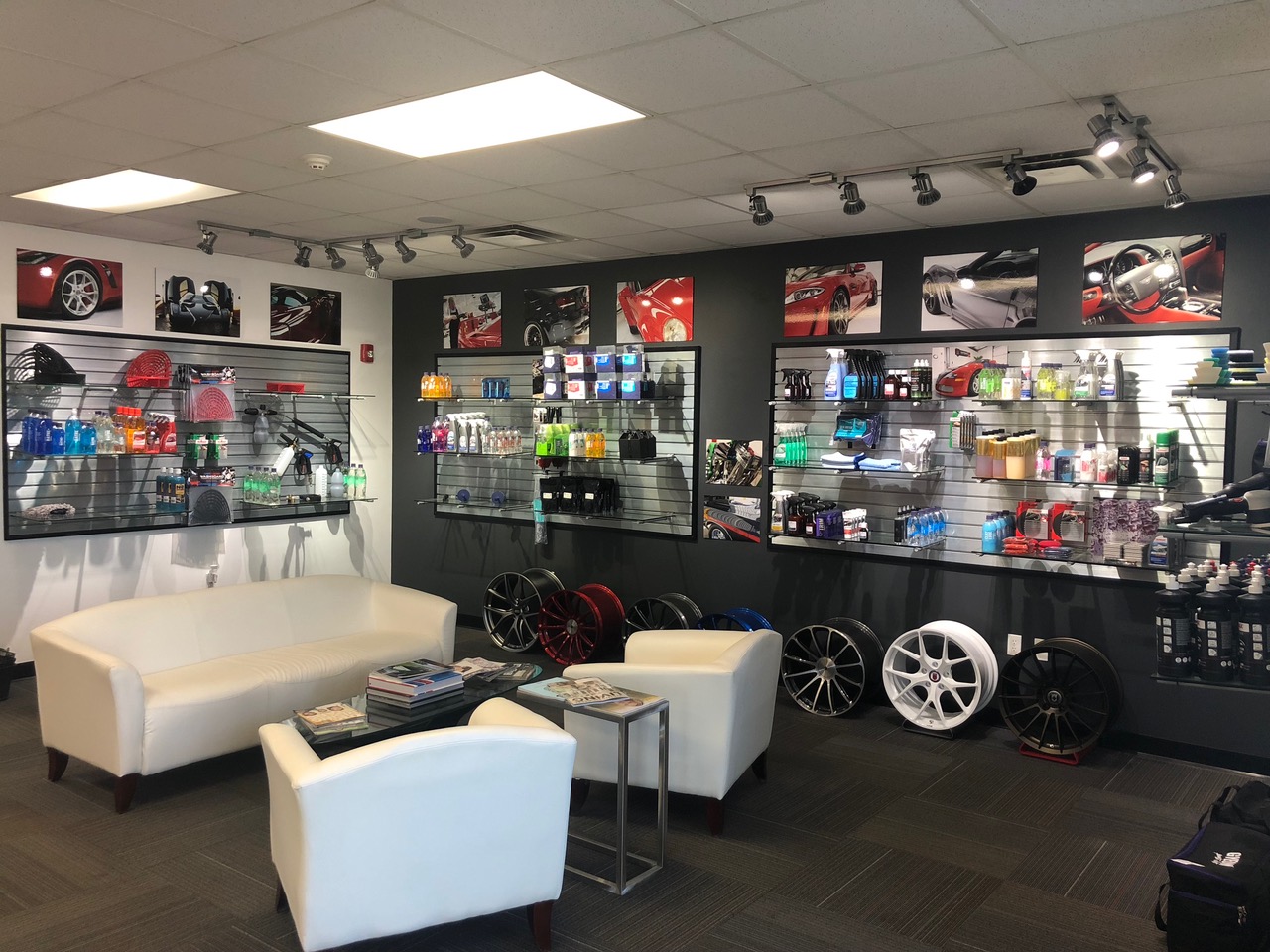
| Products | Steel or aluminum slatwall, H/L/T/Pinwheel frames, shelving | NuPanel retrofit, end cap and wing panels |
| Install per bay | Fixture assembly | About a minute |
| Trading disruption | Higher — plan around it | Fits overnight windows |
| Freight | Knocked down | Panels only |
| Existing fixtures | Replaced | Retained |
| Pilot first? | Recommended | Strongly recommended |
How we work a programme
Pilot, measure, produce, phase.
Scope
Store count, phasing, and how much site-to-site variation is real.
Specification
One standard spec plus the site-specific variants that genuinely differ.
Pilot store
Built and installed so you can measure rather than model.
Sign-off
You approve real fixtures in a real store before the chain is committed.
Production
Fabricated and finished in Comstock Park to the agreed schedule.
Phased shipping
Knocked down, across North America, in your rollout sequence.
Why a family-owned plant suits long programmes
The person who quoted phase one is still here for phase four.
Rollouts run over quarters and sometimes years. The most common practical problem is not manufacturing — it is that everyone who understood the original specification has moved on by the time phase three is ordered.
Megawall has 25+ employees with an average tenure of 12.5 years, and has been family-owned since the late 1980s. That is not a sentimental point on a programme measured in phases: it means institutional memory of your specification sits with people who are still answering the phone.
- Family owned since the late 1980s
- 25+ employees, 12.5 year average tenure
- Products in most major North American retailers
- One 45,000 sq ft plant — nothing subcontracted
Good to know
Common questions about rollouts
Related products
Ready to start
Tell us the store count and the phasing.
We will plan production against it and price a pilot store first, so the chain is committed on evidence rather than a projection.