

The merchandise is heavy, bulky, and the wrong shape for a shelf.
Sporting goods is where routed MDF systems fail first and most visibly. The load is real, the products are long and awkward, and half of what you sell was never designed to sit on a rectangle.
The constraint
Load per linear foot is the specification. Everything else is secondary.
A routed MDF panel carries load through an aluminum insert dropped into the groove. The insert holds the hook, the board holds the insert, and the whole assembly is only as good as the particle board around it. Put weight on it for a season and the slat elongates.
Megawall steel slatwall has no board and no insert: heavy-gauge steel is formed into the slat profile and welded, so the load runs through the panel. Over 50 lbs per linear foot is the working figure.
The second problem is shape. Bats, rods, paddles, helmets, frames — a meaningful share of sporting goods was never going to sit on a shelf. That is what the heavy-duty bracket range is for, and where custom bracket engineering earns its place.
What we usually specify
Sporting goods- System
- Steel slatwall — 3″ on center
- Capacity
- Over 50 lbs per linear foot
- Section
- 32 sq ft — 8′W × 4′T or 4′W × 8′T
- Shelving
- High-performance 6″ tier, up to 48″W × 24″D
- Brackets
- 12″
- 14″
- 16″
- 18″
- Custom engineered
- Finishes
- 11 standard, plus custom colour matching
- Fire code
- Meets applicable fire codes
- Floor fixtures
- H-Frame for category destinations, Pinwheel for narrow aisles
What we would specify
Steel first, brackets second, fixtures third.
In that order, because load capacity decides the wall before anything else does.
Steel Slatwall
Over 50 lbs per linear foot at 3″ on center, 32 sq ft interlocking sections, eleven finishes, fire-code compliant.
Steel specifications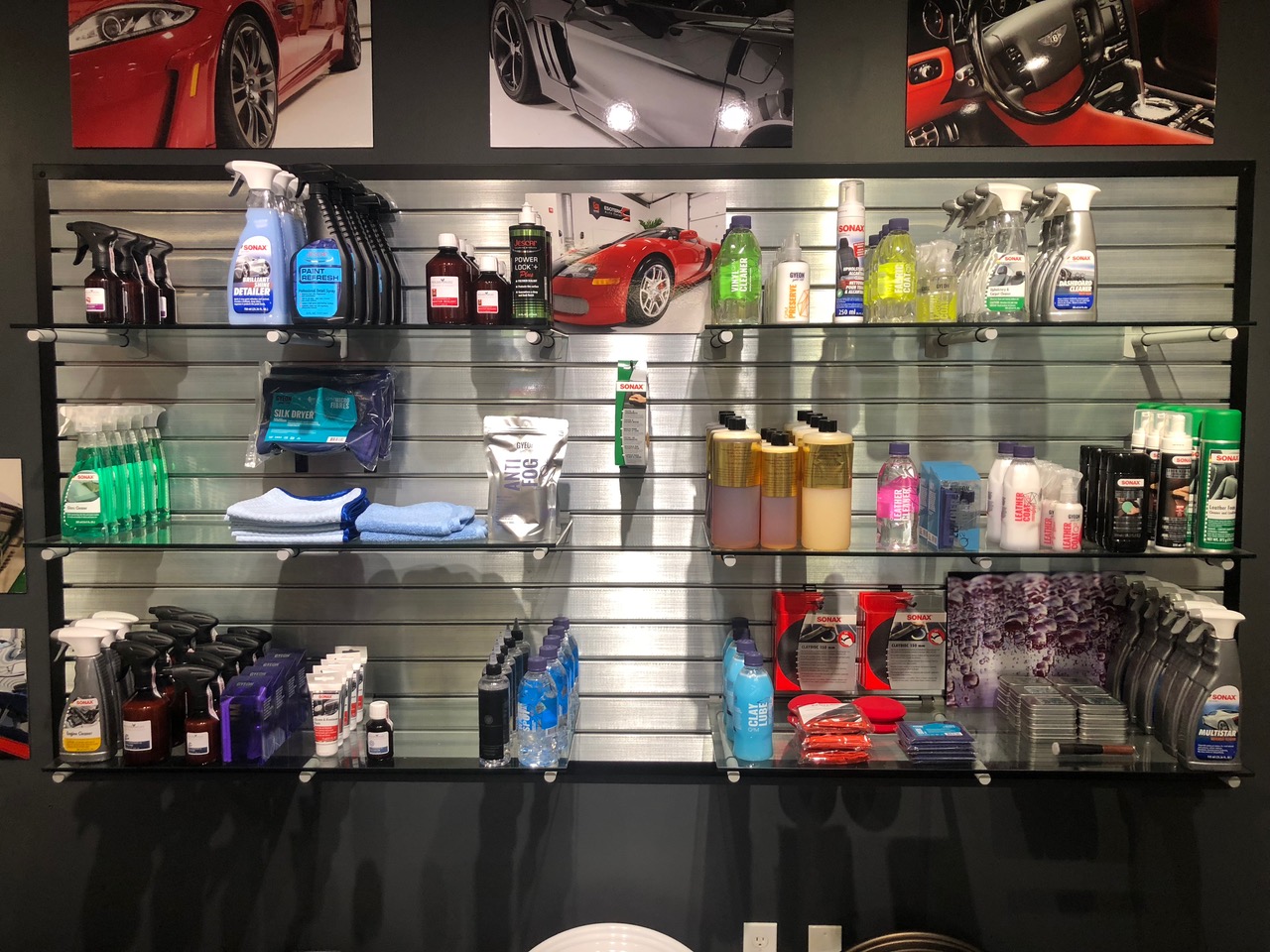
Shelving & Heavy-Duty Brackets
High-performance 6″ and medium-duty 3″ shelves, plus brackets from 12″ to 18″ and custom bracket engineering.
Shelving and brackets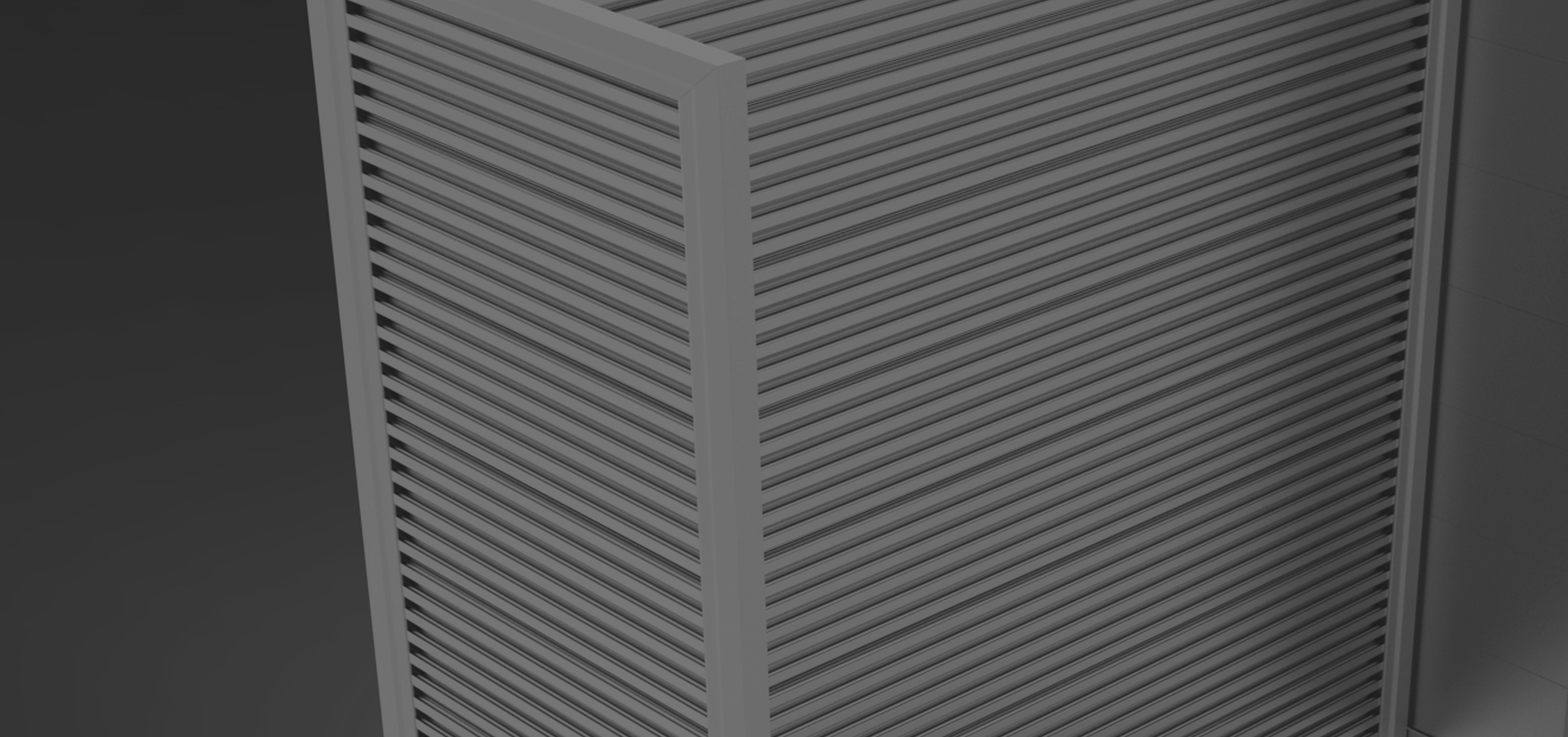
Display Fixtures
H, L, T and Pinwheel frames on casters, ships knocked down, built from the same panels as the wall.
Four configurationsDetail that matters here
Three things that decide a sporting goods fixture.
Point load, not just total load
A single heavy item on one bracket is a different problem from an evenly loaded shelf. Tell us the heaviest single item and where it hangs — that is what sizes the bracket.
Length and overhang
Long products cantilever. Brackets run 12″, 14″, 16″ and 18″ as standard, and beyond that we engineer them rather than asking you to make do.
Finish durability
Hard goods knock the wall. Powder-coated steel in eleven standard finishes takes that better than a laminated board edge, and the trims protect the edges that get hit most.
Good to know
Common questions from sporting goods buyers
Related products
Ready to start
Tell us the heaviest thing on the wall.
That single number, plus the run length, is usually enough for us to specify panel, shelving and bracket — and to engineer a bracket if nothing standard holds it.